Strategic benefits of the new Apple Silicon processor for Mac
Apple Silicon is not only about control and performance: yearly A-series jumps will pull Mac upgrade cycles towards the rhythm of the iPhone.

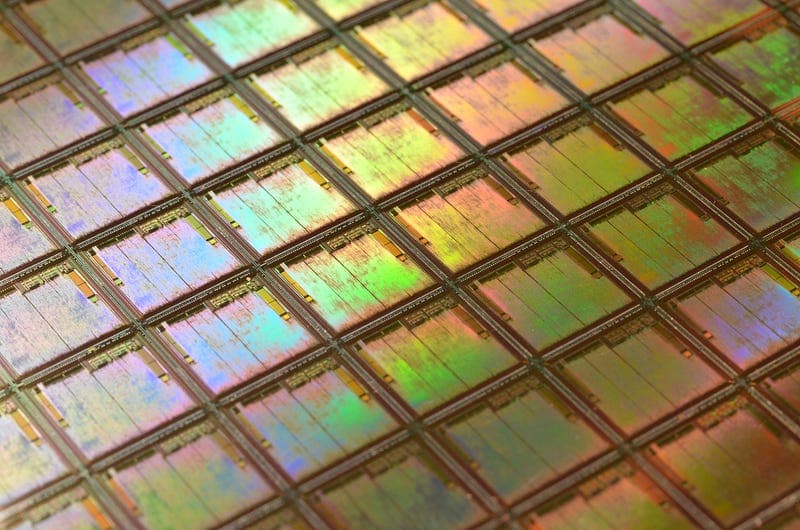
Moving from Intel to Apple’s custom made ARM processor is not just about control, quality and performance. It will also transform Mac customers’ upgrade cycles, making them similar to the smartphones’ ones. For a number of reasons.
Yearly releases
I think Apple will release new Macs every year. Like it’s happening right now for iPhones. Every year there will be a new A-something processor which will debut on iPhone. Then on the new iPads and Macs.
This is a big deal since…
Substantial improvements of performances
Every year the new iPhone processors improve of 30–50% on performances. Single task, multi task and graphics. And graphics performance improves at even a higher rate.
Every year or two, potentially, you will have a real reason to upgrade. Tp software developers, 3D artists, video makers, musicians or photographers that is really appealing.
SoC
Apple is not calling this ARM processor. They are calling it Apple Silicon for a reason. In a traditional PC you have a CPU, a GPU and then other chips for specific tasks. Generally, they are all communicating through the motherboard. Apple Silicon, instead, will integrate CPU, GPU and a lot of other chips (proximity, security, machine learning, etc) into the same silicon chip.
All these different units (previously chips) are talking to each other without the bottleneck of the motherboard. So, again, better performances.
With the new Silicon chip that Apple will release yearly, there will be new set of computations that will become more performant. Take for example Machine Learning. New iPhones are monster at this thanks to the dedicated unit. It allows new use cases like live translation between 12 different languages on device (no internet).
Gamers
Gamers will love that sweet sweet yearly bump in graphics performances. Especially since game producers will start to seriously target Mac for serious gaming. They will be able to access iPhones, iPad and Mac with one engineering effort. They already have access to a lot of iOS customers. Now they will also have access pro gamers without much more engineering time.
Conclusion
This is the first time I am excited about a new Mac. I have a late 2013 MacBook pro which works great. Except when I do a Skype call or I try to use Jira…
But this Xmas I am pretty sure I will upgrade.
Read next
Expose Init Parameters and Dependencies in Swift and iOS Please
Store init parameters and dependencies as properties at the entity's own access level. It costs nothing, and it buys transparency, scale and testability.
How to Get Confirmation Alert Before Quitting Safari on macOS
Stop losing thirty tabs to a mistyped ⌘Q: remap Safari's Quit shortcut to ⌥⌘Q, then wire ⌘Q to an AppleScript that asks before quitting.
Create a React and SwiftUI-Inspired Web App With Swift for WebAssembly on MacOS With SwiftWasm
Building a web UI in SwiftUI-inspired syntax with Tokamak, compiled to WebAssembly by SwiftWasm — the toolchain, the project setup and the first app.